
Nightwise.org
Telescope Targets
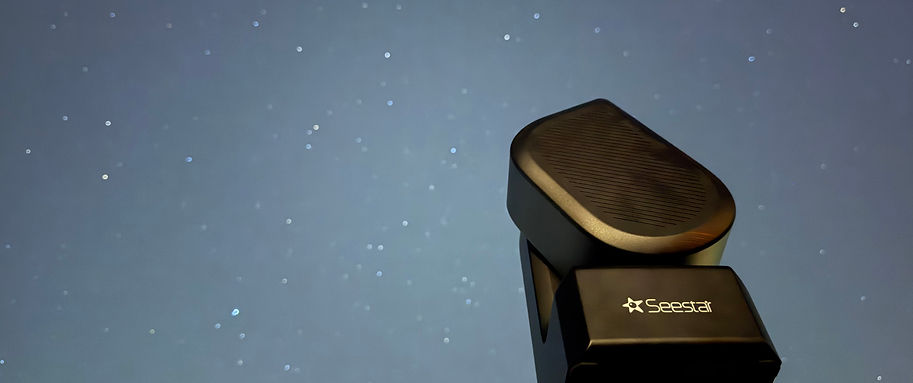
Images with Seestar S50
Below is a carefully curated list of 100 Seestar S50 targets optimized for:
-
Location: Southern Florida (~26.0° N)
-
Month: March 2026 evenings/nights
-
Constraint: objects that reach ≥25° altitude during March nights
-
Exposure suitability: ≤1-hour smart-scope sessions
-
Bias toward bright, high-surface-brightness DSOs well suited to the Seestar S50
Methodology (summary)
-
From latitude 26° N, objects with declination ≳ −39° can exceed 25° altitude at transit.
-
March skies favor winter clusters, spring galaxies, and early Virgo/Leo objects.
-
Messier objects are generally bright enough for small telescopes. (starparty.com)
-
Seasonal lists confirm many classic DSOs are well placed in March. (NASA Science)
⭐ Tier 1 — Prime Showcase Targets
These are high-confidence crowd-pleasers.
Nebulae (Emission/Reflection)
-
M42 — Orion Nebula
-
M43 — De Mairan’s Nebula
-
NGC 1977 — Running Man Nebula
-
NGC 2024 — Flame Nebula
-
IC 434 — Horsehead region
-
NGC 2237 — Rosette Nebula
-
NGC 2244 — Rosette Cluster
-
IC 2177 — Seagull Nebula
-
M8 — Lagoon Nebula (late night)
-
M16 — Eagle Nebula (late night)
Galaxies (Bright & Seestar-friendly)
-
M31 — Andromeda Galaxy (early evening)
-
M32
-
M110
-
M33 — Triangulum Galaxy
-
M81 — Bode’s Galaxy
-
M82 — Cigar Galaxy
-
M51 — Whirlpool Galaxy (late night)
-
M63 — Sunflower Galaxy
-
M94 — Croc’s Eye Galaxy
-
M65 — Leo Triplet
-
M66 — Leo Triplet
-
NGC 3628 — Leo Triplet
-
M95
-
M96
-
M105
-
NGC 2903
-
NGC 2403
-
NGC 2683
-
NGC 3184
-
NGC 3351 (M95 companion region)
Globular Clusters (excellent for short exposures)
-
M79
-
M3
-
M53
-
M68
-
M5 (late night)
-
M13 (very late March mornings)
-
M92 (late)
-
NGC 2419
-
NGC 5466
-
NGC 4147
Open Clusters (Seestar excels here)
-
M45 — Pleiades
-
Hyades
-
M35
-
NGC 2158
-
M36
-
M37
-
M38
-
NGC 2169 — 37 Cluster
-
NGC 2251
-
M44 — Beehive Cluster
-
M67
-
NGC 2362 — Tau Canis Major
-
NGC 2287 — M41
-
Collinder 69 — Lambda Orionis
-
Melotte 111 — Coma Star Cluster
⭐ Tier 2 — Strong March Galaxy Season Targets
(Excellent after ~10 pm)
-
M98
-
M99
-
M100
-
M85
-
M88
-
M89
-
M90
-
M91
-
M49
-
M58
-
M59
-
M60
-
NGC 4526
-
NGC 4565 — Needle Galaxy
-
NGC 4631 — Whale Galaxy
-
NGC 4656 — Hockey Stick
-
NGC 4725
-
NGC 5248
-
NGC 3627
-
NGC 4214
⭐ Tier 3 — Planetary Nebulae (compact, quick wins)
-
NGC 2392 — Eskimo Nebula
-
NGC 3242 — Ghost of Jupiter
-
M97 — Owl Nebula
-
NGC 2438
-
NGC 2371-2
-
NGC 2022
-
IC 418 — Spirograph Nebula
-
NGC 1535
-
NGC 7009 — Saturn Nebula (late)
-
NGC 7662 — Blue Snowball (early evening)
⭐ Tier 4 — Bonus Wide-Field & Easy Targets
(Great fillers for short sessions)
-
M48
-
M46
-
M47
-
NGC 3115 — Spindle Galaxy
-
NGC 2685 — Helix Galaxy
-
NGC 2905 (within NGC 2903 region)
-
IC 4665
-
NGC 2420
-
NGC 2506
-
NGC 2301
-
NGC 1662
-
NGC 1647
-
NGC 1514 — Crystal Ball Nebula
-
NGC 1961
-
NGC 4038/4039 — Antennae Galaxies (low but reachable late March)
✔️ Usage notes for Seestar S50
Best imaging windows (Marco Island):
-
Evening: Orion, Monoceros, Gemini clusters
-
Late evening: Leo galaxies
-
After midnight: Virgo cluster begins
-
Pre-dawn: early summer globulars
Exposure guidance
-
Open clusters: 5–15 min
-
Bright nebulae: 20–40 min
-
Galaxies: 30–60 min
-
Planetary nebulae: 15–30 min
Below is the RA-sorted list (ascending Right Ascension) of the 100 Seestar S50 targets suitable for March from Marco Island.
(Numbering reflects RA order, not quality.)
1–25
-
M31 — Andromeda Galaxy
-
M32
-
M110
-
M33 — Triangulum Galaxy
-
M45 — Pleiades
-
Hyades
-
NGC 1514 — Crystal Ball Nebula
-
NGC 1647
-
NGC 1662
-
NGC 1746 (wide cluster region)
-
M79
-
NGC 1977 — Running Man Nebula
-
M42 — Orion Nebula
-
M43
-
NGC 2024 — Flame Nebula
-
IC 434 — Horsehead region
-
Collinder 69 — Lambda Orionis
-
NGC 2169 — 37 Cluster
-
M41
-
NGC 2287
-
NGC 2301
-
IC 2177 — Seagull Nebula
-
M50
-
M46
-
M47
26–50
-
M48
-
M44 — Beehive Cluster
-
M67
-
NGC 2392 — Eskimo Nebula
-
NGC 2419
-
NGC 2420
-
M35
-
NGC 2158
-
NGC 2506
-
NGC 2683
-
NGC 2903
-
M95
-
M96
-
M105
-
NGC 3115
-
M65
-
M66
-
NGC 3628
-
M3
-
NGC 3242 — Ghost of Jupiter
-
NGC 3351
-
M53
-
NGC 4147
-
NGC 4214
-
NGC 2403
51–75
-
M81
-
M82
-
NGC 2685 — Helix Galaxy
-
M97 — Owl Nebula
-
M108
-
M109
-
M94
-
M63
-
NGC 3184
-
NGC 3198
-
M51 — Whirlpool Galaxy
-
NGC 5195
-
NGC 4631 — Whale Galaxy
-
NGC 4656 — Hockey Stick
-
NGC 4725
-
NGC 5248
-
NGC 5466
-
Melotte 111 — Coma Star Cluster
-
M64 — Black Eye Galaxy
-
M85
-
M88
-
M91
-
M98
-
M99
-
M100
76–100
-
M49
-
M58
-
M59
-
M60
-
M89
-
M90
-
NGC 4526
-
NGC 4565 — Needle Galaxy
-
NGC 4666
-
M68
-
NGC 1535
-
IC 418 — Spirograph Nebula
-
NGC 2022
-
NGC 2371-2
-
NGC 2438
-
NGC 7009 — Saturn Nebula
-
NGC 7662 — Blue Snowball
-
M8 — Lagoon Nebula
-
M16 — Eagle Nebula
-
M5
-
M13
-
M92
-
NGC 1961
-
NGC 4038/4039 — Antennae Galaxies
-
IC 4665
A.I. Alert
I have unabashedly asked ChatGPT to "create a list of 100 best targets for Seestar S50 telescope from Marco Island, FL, for March 2026. Choose celestial objects that will be at least 25 degrees above horizon for exposure time of one hour or less." These images have been automatically processed within the Seestar S50 telescope.


Inaugural Results

Rosette Nebula
S50

Moon
-

Sombrero Galaxy
-

Orion Nebula
-

M13
-

Horsehead Nebula
-

Whirlpool Gala
-

M45
Pleiades
Horsehead Nebula
-

M44
-
Horsehead Nebula
-
Horsehead Nebula
-
Horsehead Nebula
-
Horsehead Nebula
-
Horsehead Nebula
-